

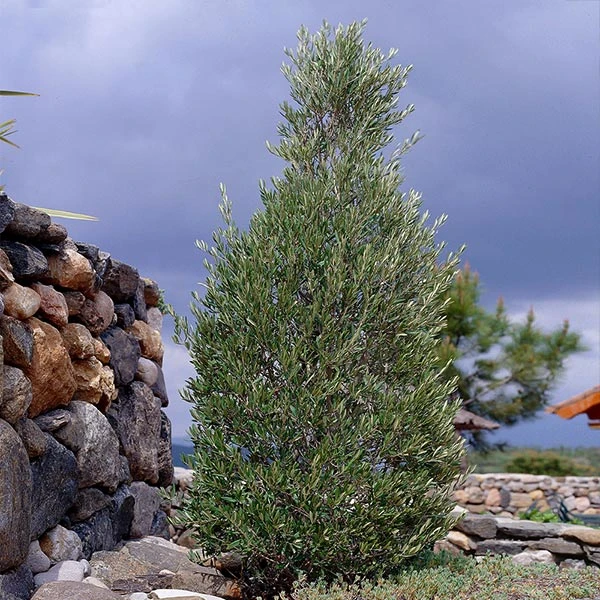
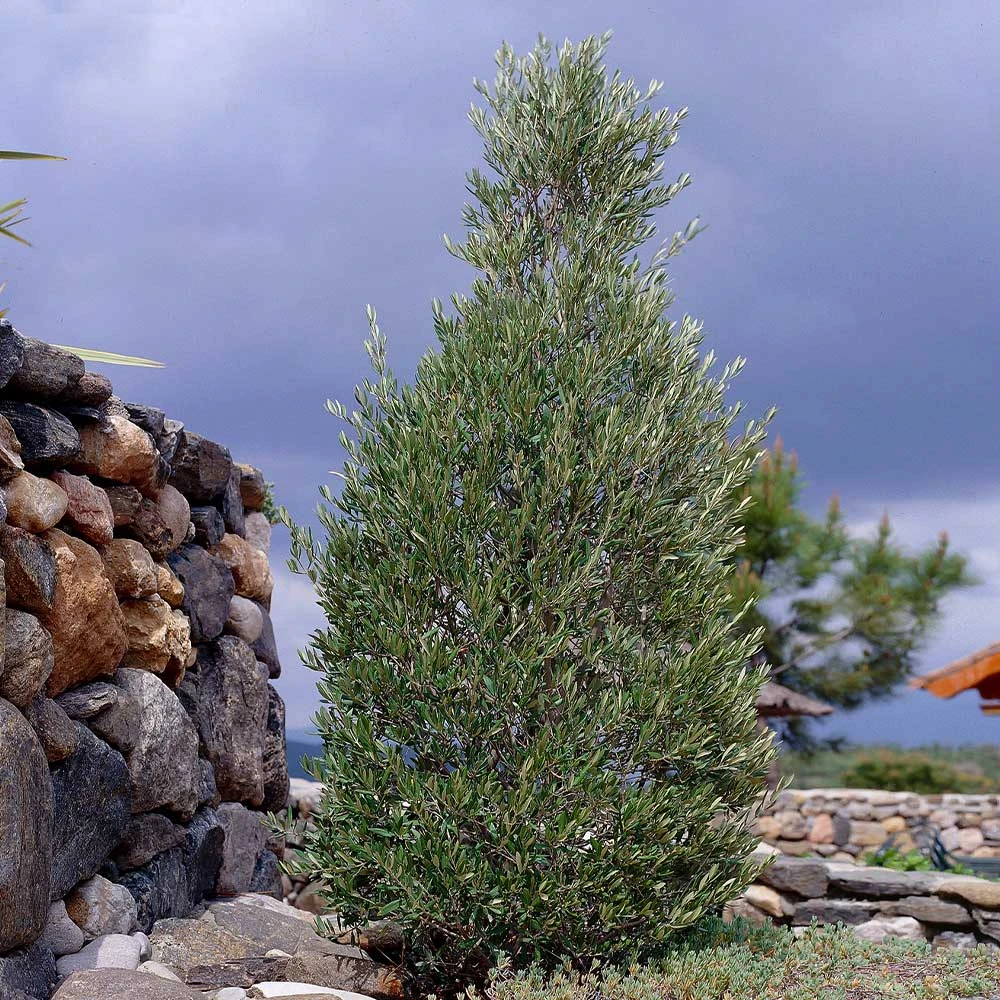

Little Ollie’ Dwarf Olive
Original price was: $139.99.$96.99Current price is: $96.99.
- Safe Payments, the Smart Choice
- Quality at its Finest
- Secure Shopping with Safe Payments
- Quality Products, Quality Service

Dwarf Sizing Meets Evergreen Foliage for California
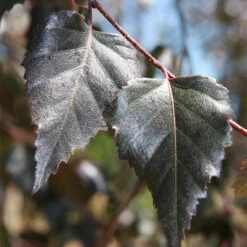
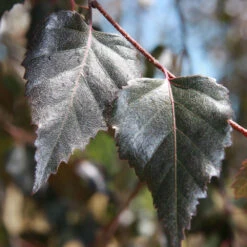
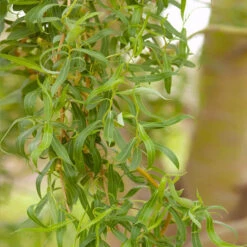
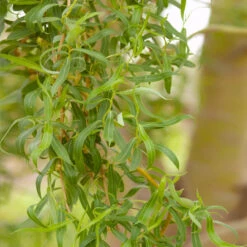
Deep green tones, silvery pops of color and a dwarf silhouette merge, making this Olive Tree second to none. Plus, it’s specifically tailored for California growth, so dry, arid conditions and heat are no match for this Dwarf Olive Tree.
And it’s drought tolerant after it’s established. This non-fruiting variety will flourish in your Golden State landscape because it’s fit for desert landscapes, whether it’s used as an attractive formal hedge or front-yard specimen. Even better is it’s versatile because it looks great in topiary form, trained as a single tree in tighter spaces and beyond. Last but not least: It’s tolerant of salt and coastal locales, too.
But the top benefit is its ease and durable growth. The Dwarf Olive grows well in California locales, and it’s a proven performer because it’s been planted, monitored and shipped with best results in mind. Basically, our expert horticulturists and plant specialists have hand-selected this manageable, must-have Olive Tree for your desert garden.
So, reap the rewards of healthy, happy results, effortlessly…no matter where your Dwarf Olive Tree is planted. Get your own Dwarf Olive today!
Planting & Care
1. Planting: Select a location with well-drained soil and full sun – any area with approximately 6 to 8 hours of sunlight per day is ideal.
When you’re ready to plant your Olive Tree, dig a hole that’s about one and a half to two times the size of your plant’s root ball, place the tree in the hole, back fill the soil and water to settle the roots. If you’re container planting, simply select a container that’s twice the size of the tree’s root ball and follow in-ground instructions from there. Containers should also have drainage holes.
2. Watering: Your Dwarf Olive is drought tolerant after establishment, but it’s important to have a regular watering schedule for the first few growing seasons. Water it about once weekly or more often in extreme heat and check the surrounding soil…if the surrounding soil is dry 2 or 3 inches down, it needs to be watered. Reduce watering frequency once your plant is established but continue to water container-planted Olives regularly.
3. Fertilizing: Feed with a general-purpose fertilizer before new growth begins in the spring.
4. Pruning: Remove any old or damaged foliage, or damaged branching, and prune your tree during winter for healthy results.
| Height | 5 Gallon |
|---|
Be the first to review “Little Ollie’ Dwarf Olive”
Related products





Reviews
There are no reviews yet.